Wan 3.0 Feature Guide Cover: Native 30-Second and Omni-Reference
On August 6, 2026, the AI video generation space reached a highly symbolic milestone. Wan 3.0 (Tongyi Wanxiang 3.0, API model ID wan3.0-video) officially launched on Alibaba Cloud Model Studio (Bailian) and entered public beta. If previous AI video models were mostly solving the problem of "how to generate a few seconds of dynamic footage without collapsing," the emergence of Wan 3.0 completely shifts the focus to "how to generate a half-minute long take with a complete logical narrative." Furthermore, it unprecedentedly breaks down the barriers of input modalities—it can not only understand images and text but even directly read your documents, presentation slides, and public web pages.
For video creators, marketing operators, and developers, leaping from a few seconds of "raw material" to a thirty-second "narrative sequence" means AI video has finally moved from being a toy or B-roll assistant and officially entered the heartland of primary content production. This article provides a comprehensive, in-depth breakdown of Wan 3.0's core features, capability boundaries, pricing, and practical use cases, helping you see exactly why this generation of the model is so powerful.
I. What is Wan 3.0, and What is it Not?
Before diving into the technical details, we need to correct some cognitive biases currently in the market regarding Wan 3.0.
What is Wan 3.0? It is an All-in-One multimodal video generation large model service. It unifies previously scattered capabilities—text-to-video, image-to-video (including first-frame and first-and-last-frame control), reference-to-video, and even audio-to-video—under a single underlying architecture. Whether your input is a text prompt, a few product images, a reference music track, or a PDF document, Wan 3.0 can understand it and transform it into a video of up to approximately 30 seconds with native sound effects.
What is Wan 3.0 Not? First, Wan 3.0 is currently a cloud-hosted API service, not an open-source model available for local deployment. Many players mistakenly believe they can download the weights and run it in ComfyUI like before, which actually confuses the version lineages. The open-source weights for the Wan series (using DiT + Flow Matching architectures) currently stop at the Wan 2.1 and 2.2 series; please do not awkwardly apply past 2.x academic papers and open-source architectures to Wan 3.0. Second, it is not a magic tool for "100% approval rate" or "one-click masterpieces with zero bad generations." Complex physics and multi-camera switching still carry the risk of glitches, requiring creators to possess a certain level of prompt mastery and the patience to re-roll (gacha).
II. Version Lineage: From "Learning to Draw" to "Learning to Understand"
To understand the leap of Wan 3.0, we need to briefly review the capability evolution path of the Wan series. According to official summaries, this is exactly a process from "learning to draw" to "learning to shoot," and now to "learning to understand."
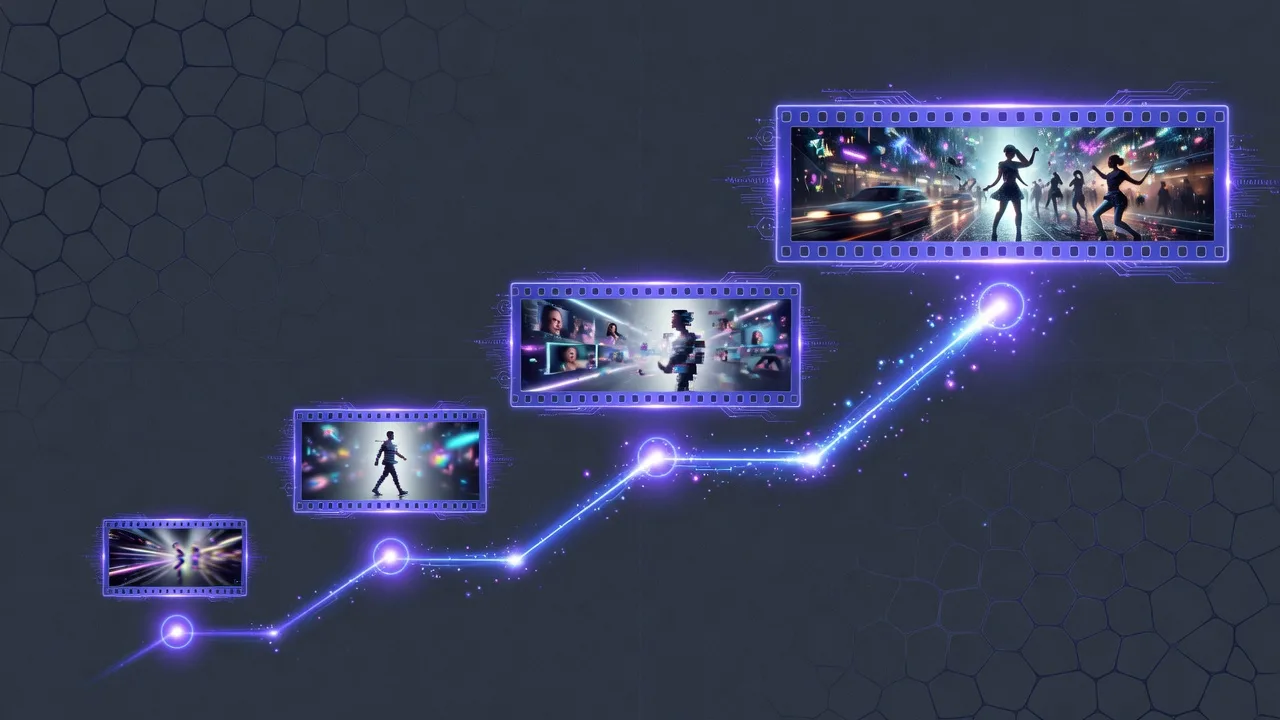
Wan Series Capability Evolution from 2.x to Wan 3.0
- Wan 2.1 / 2.2: Established a high-quality image and short video foundation based on DiT and Flow Matching, attracting widespread attention in the open-source community, and solved the problems of "learning to draw" and basic dynamics.
- Wan 2.5: Made key breakthroughs in native audio-video synchronization capabilities, allowing generated videos to come with environmental sound and matching sound effects.
- Wan 2.6 / 2.7: As the previous generation flagships, they pushed the single generation duration up to the 15-second level, significantly improving the shot continuity of "learning to shoot."
- Wan 3.0: Enters public beta. Not only does it double the duration to natively generate approximately 30 seconds in a single run, but it also introduces the powerful Omni-Reference capability. The model can not only "shoot" but also deeply "read and understand" the dozens of pages of business documents or web pages you throw at it, directly visualizing abstract information.
III. Deep Dive into the Five Core Features
Wan 3.0 is not merely about extending time; behind it is a comprehensive reconstruction of the model's spatiotemporal consistency, multimodal understanding, and rendering quality. Here are the five core features most worthy of attention.
1. Native 30-Second Single Take and Continuous Narrative (Native 30-Second)
In AI video creation, increasing the duration is absolutely not a simple "addition of frames," but an exponentially rising risk of error accumulation.
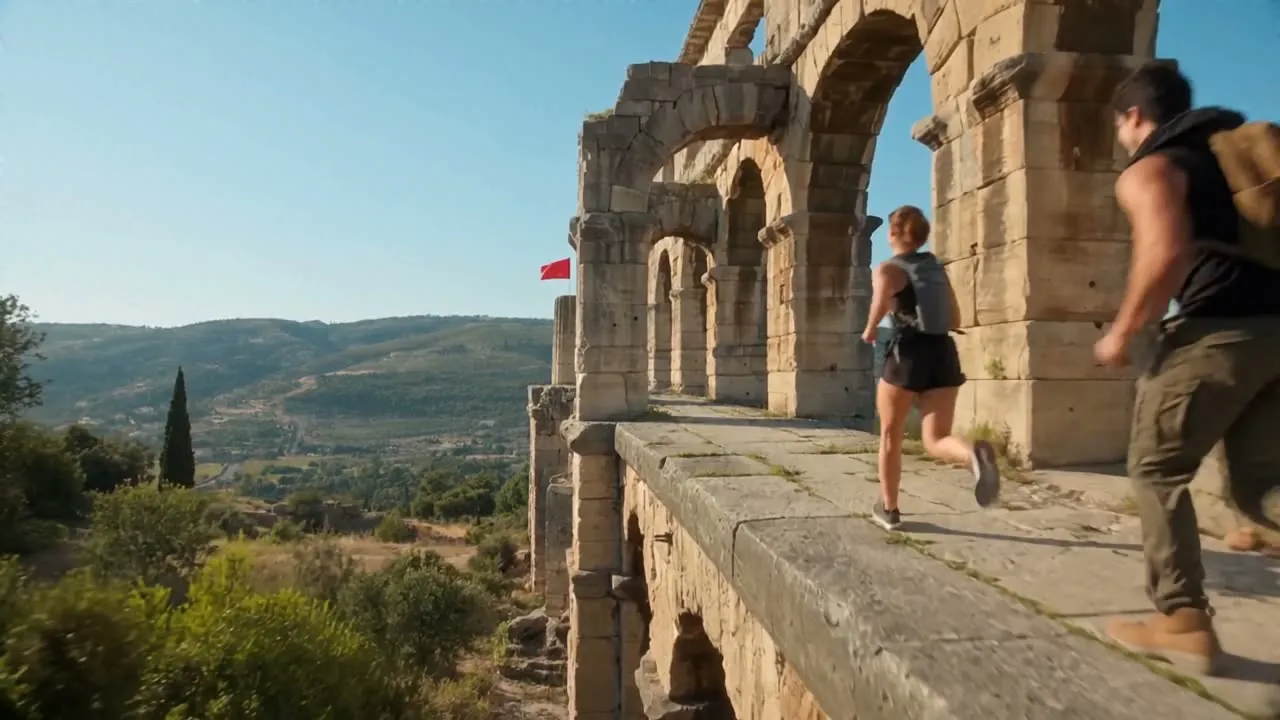
Wan 3.0 Native Long Take Continuous Narrative
Wan 3.0 achieves native single-pass continuous video generation of up to approximately 30 seconds, supports intelligent duration adjustment, and public claims suggest it possesses strong potential for video extension. What does 30 seconds mean? In traditional advertising and short dramas, a 30-second shot is enough to complete a full narrative arc of "cause - progression - climax - resolution." You can have a character walk in from a distance, sit down, pick up a glass of water from the table to take a sip, and then turn and smile. This long-span action logic and continuous camera movement (single take) drastically reduce the pain of creators stitching broken clips together in editing software, enabling AI to truly bear "micro-movie" level narrative capacity.
2. Omni-Reference: Breaking the Modal Dimensional Wall
This is one of Wan 3.0's most disruptive features. Traditional "image padding" or "reference videos" can no longer satisfy complex commercial creation needs. Wan 3.0 introduces incredibly robust multimodal input support (Text / Image / Video / Audio / File / Link).
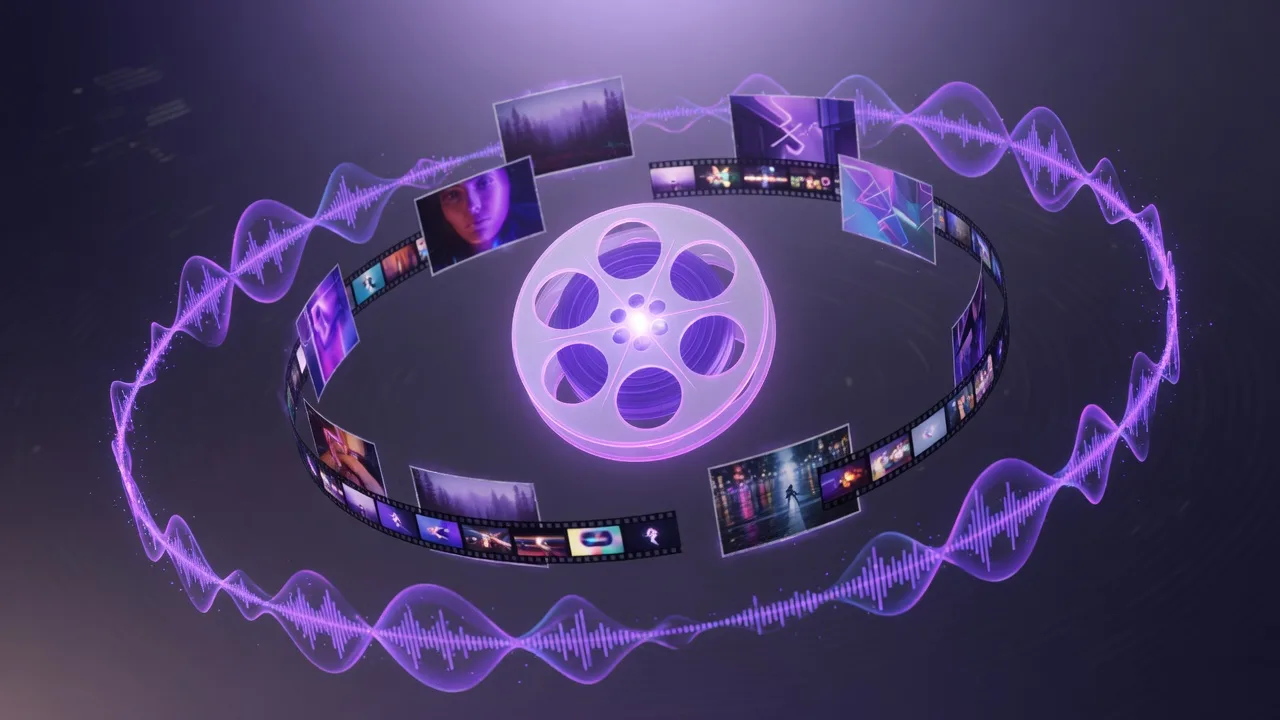
Wan 3.0 Multimodal Input and Omni-Reference
According to common statements on the Wanxiang official website and API documentation, Wan 3.0 can support up to approximately 20 assets as reference inputs (for example, a combination of about 10 images, 5 videos, and 5 audio clips; please refer to the official real-time documentation for specific total duration and combination limits). Even more excitingly, it directly supports office document formats like .doc, .xls, .ppt, .pdf, .md, and even inputs of publicly accessible web page links (usually limited to single files or links ≤100MB, ≤50 pages). You can feed product manuals, financial data charts, or competitor website URLs to the model, and it will automatically extract core visual elements, color specifications, and key information as constraints for generating the video.
3. The Commercial Chemistry of Document-to-Video (Doc-to-Video)
We highlight document-to-video separately because it completely revolutionizes the production pipeline for B2B marketing and knowledge dissemination.
In the past, transforming a 30-page business PPT into a promotional video required a lengthy process of copywriting extraction, storyboard design, material sourcing, and AE motion graphics production. In the Wan 3.0 era, you simply upload this PPT along with an appropriate prompt (e.g., "Extract the core data from the document and generate a 30-second data visualization report video in a tech-infused blue neon style"). The model can understand the text logic within the document and convert it into dynamic visuals. For creating courseware, corporate financial presentations, and SaaS product introduction videos, this represents an exponential efficiency boost.
4. Reality-Grade Consistency (Reality-Grade & Consistency)
The biggest enemy of a long take is "mutation." Wan 3.0 has worked hard on "diverse faces" and consistency control, which official slogans refer to as Reality-Grade Rendering.
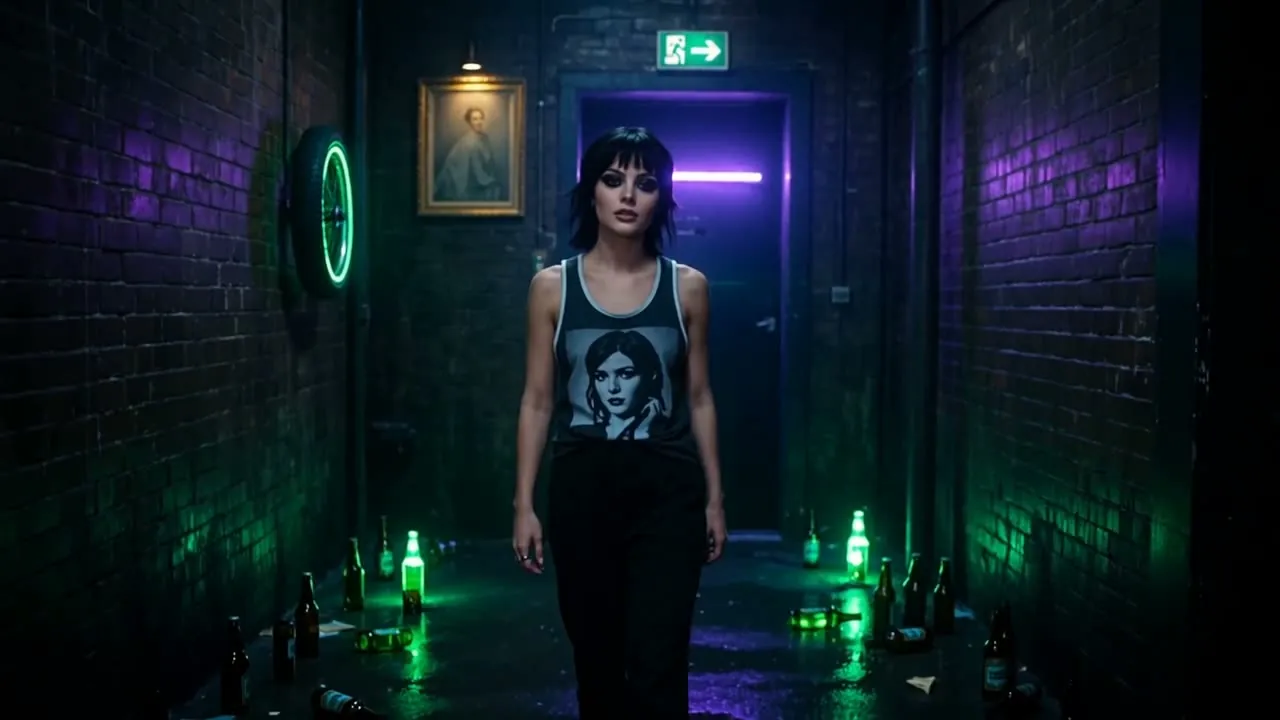
Wan 3.0 Character and Visual Consistency
In actual testing, Wan 3.0 performs commendably in consistency across the following dimensions:
- Character and Prop Consistency: Even with camera pushes, pulls, pans, or tilts, the protagonist's facial features, clothing textures, and held props can remain stable for a relatively long time, reducing the awkwardness of "changing outfits with every step."
- Spatial Consistency: During camera rotations, the physical perspective relationships of the background environment are much more logical; furnishings in a room do not disappear or shift out of thin air.
- UI and Text Rendering: Public promotions specifically mention a significant enhancement in its rendering capabilities for UI interfaces, charts, and some Chinese text. This is particularly important for software demo videos (though in actual tests, slight text drift occasionally still occurs in long clips, so reasonable expectations are needed).
5. Native Audio-Video Integration (Native Audio)
The disconnect between sight and sound was once a pain point for AI video. Wan 3.0 inherits and strengthens its native audio generation capabilities.
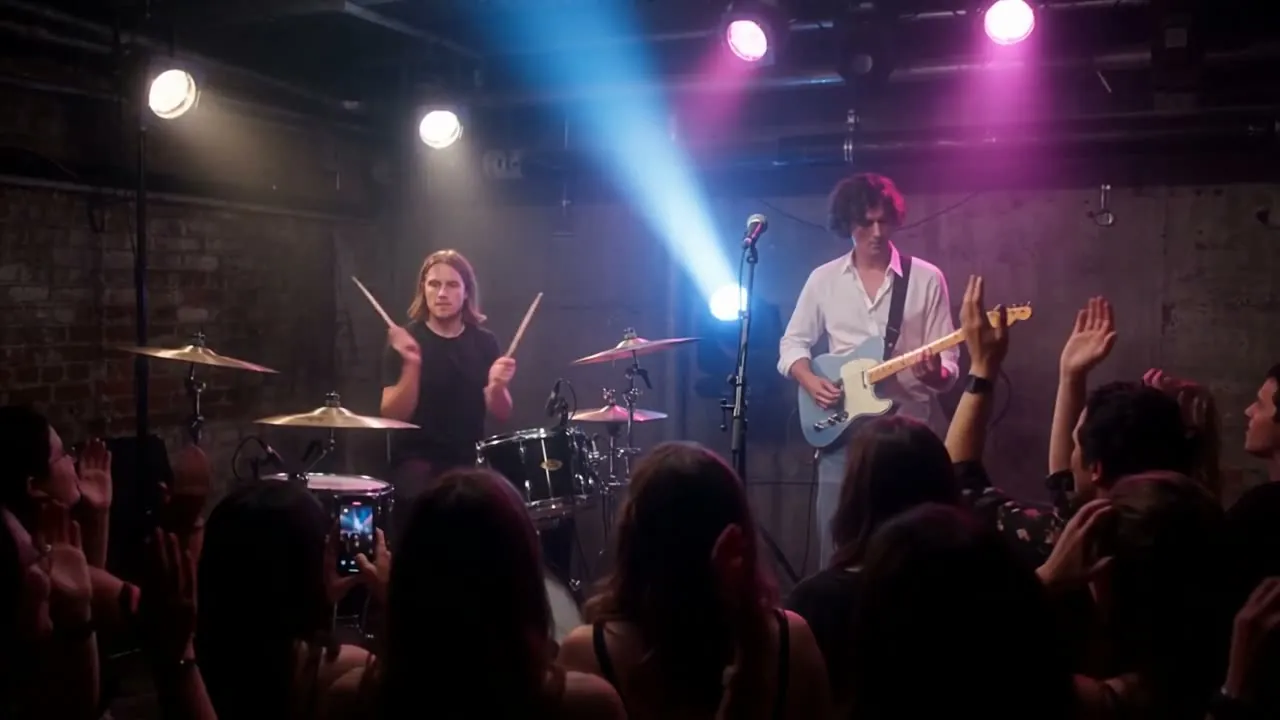
Wan 3.0 Native Audio-Video Synchronization
Based on the generated visual content, the model can automatically match corresponding environmental sounds (like ocean waves, noisy streets), action sound effects (like footsteps, closing doors), and even the rhythm of background music. Creators can also toggle this capability via parameters (specific controls are subject to API documentation). This makes the finished product highly watchable right out of the box, sparing the hassle of searching for a needle in a haystack for sound effects in post-production libraries. In terms of aspect ratio and resolution, the model widely supports 480P, 720P, and 1080P output, as well as common ratios like 16:9, 9:16, and 1:1, accommodating multi-terminal social media distribution.
IV. Generational Contrast and Horizontal Comparison of Mainstream Models
After sorting out Wan 3.0's core features, we might as well take a step back and see where it sits in the industry's development trajectory. Below, we first grasp its evolutionary span through a generational comparison with its own Tongyi Wan 2.x, and then place it into the competitive landscape of mainstream video models in mid-2026 for a horizontal comparison.
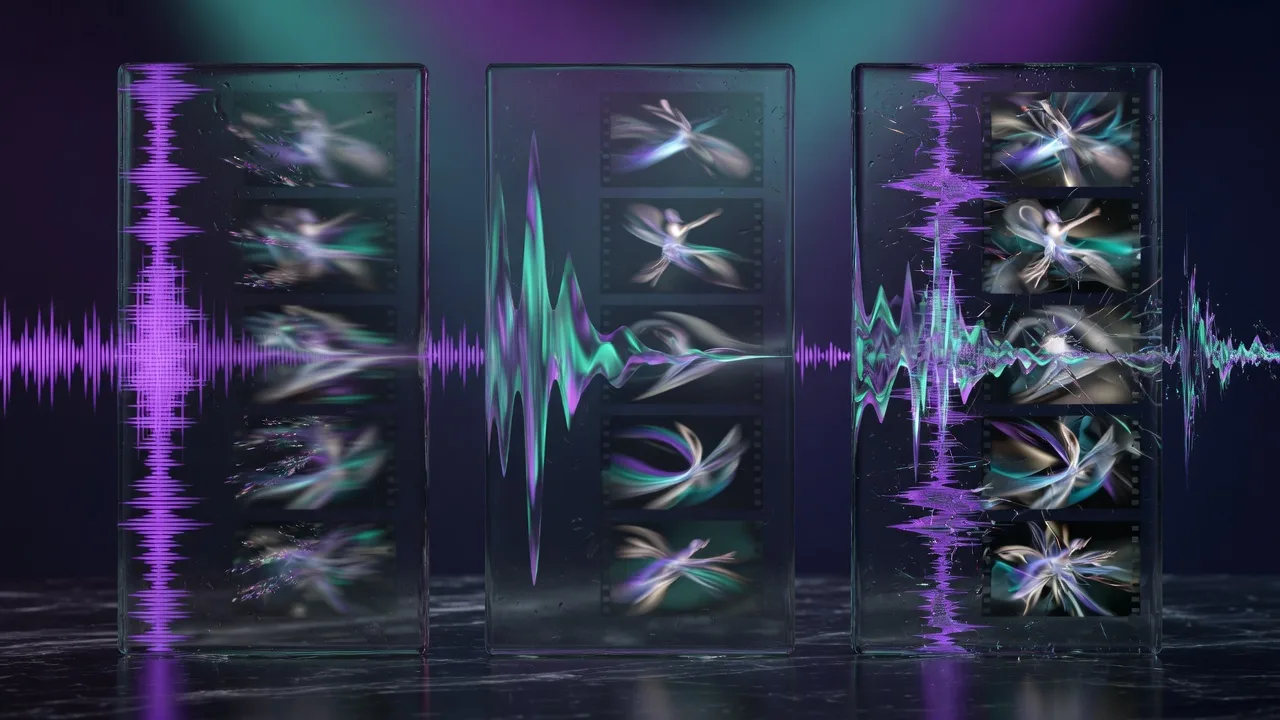
Wan 3.0 vs. Previous Generation Capabilities
1. Wan 2.x Generational Quick Check
| Comparison Dimension | Wan 2.x | Wan 3.0 |
|---|---|---|
| Single Generation Duration | Typically around 5–15 seconds (Flagships like 2.7 are in the ~15s tier) | Native ~30-second tier |
| Reference Input | Mostly image/text reference, later versions gradually enhanced audio/video reference | Omni multimodal reference (combinations of image/text/audio/video/document/webpage, etc.) |
| Document Conversion | Not supported at the time | Supports PPT/PDF/Webpage parsing and direct video generation |
| Audio-Video Synergy | Gradual native audio-video since 2.5, capabilities increasing with versions | Native audio-video synchronization (toggles subject to documentation) |
| Deployment Form | Early open source (2.1/2.2) + later cloud API | Cloud API public beta, non-open-source |
2. 2026 Mainstream Video Model Comparison Chart
Currently, the industry is blooming, and various players are gradually differentiating in capability focus and ecological niches. The following is a horizontal comparison of mainstream video models in mid-2026 based on public promotions and media statements (durations/resolutions are subject to change based on real-time platform capabilities; please refer to official sources; this is not an absolute ranking claim):
| Model | Company | Public Positioning / Strengths | Single Duration Tier (Public Claims) | Resolution Tier | Native Audio | Reference / Input Features | How to Choose vs. Wan 3.0 |
|---|---|---|---|---|---|---|---|
| Wan 3.0 | Tongyi / Alibaba | Coherent narrative, direct doc/webpage output, Omni reference | ~30-second tier | 480P/720P/1080P tier | Supported | Document, Webpage + Multimodal reference | Prioritize for knowledge promotion, PPT/PDF-to-video, and 30s single-take narratives |
| Kling 3.0 | Kuaishou | Cinematic feel, physical realism, textures and micro-expressions | Typically ~10–15s tier (subject to product page) | High-def cinematic (public promos claim higher tiers) | Supported | Strong control over reference images/video and motion | Prioritize when seeking a "shot-on-camera" texture and physical realism |
| Seedance 2.5 | ByteDance | Dynamic camera movement, viral appeal, multi-reference and production efficiency | Public promos claim up to ~30s tier | High-def to higher tiers (subject to platform) | Supported | Deep multi-reference understanding, excels at feed-style cinematography | Prioritize for Douyin/short video rapid production, complex camera moves, and multi-reference |
| MiniMax H3 | MiniMax | Multimodal reference, integrated audio-video, stylization and large motions | Typically ~5–15s tier | Common 2K tier promo | Supported (Stereo promos, etc.) | Multi-image/video/audio reference, high workflow discussion | Prioritize for anime/stylization, character motion, and local/open-source workflow exploration |
| Google Veo 3.1 | Image quality, native audio-video, potential for longer clips | Public promos claim longer clip capabilities | High-def to 4K tier promo | Supported | Integrated with Google ecosystem | Consider if account/region conditions are met and quality/audio is heavy focus | |
| OpenAI Sora 2 | OpenAI | Physics rules, spatial coherence, world-simulated narrative | Public promos claim multiple duration tiers | High-def tier | Supported | Prompt-driven and ecosystem-bound | Consider when emphasizing physical consistency and closed-source ecosystem experience |
Note: Products like Runway Gen-4 lean more towards professional editing workflow integration; Luma, Pika, etc., remain active in creative shorts and rapid prototyping. They are not strictly in the same track as the "omni-modal document-to-video + half-minute single take" narrative, so this article will not benchmark them point-by-point.
3. How to Understand Each Model
- Kling 3.0: The community and media often use "cinematic feel / physical realism / micro-expressions and textures" to summarize its strengths. It is suitable for shots that need to "look like actual footage." Long-take document conversion or PPT one-click videos are usually not its main narrative. The differentiation from Wan 3.0 is clear: one leans towards "texture and physics," the other towards "half-minute narrative + understanding materials."
- Seedance 2.5: A frequent guest in ByteDance's short video and feed scenarios, its camera movement, multi-reference understanding, and output efficiency are frequently discussed. Public promotions also mention long-clip capabilities in the ~30-second tier—it will form a direct competition with Wan 3.0 on "duration". However, Seedance is more often chosen for viral/ad material pipelines, while Wan 3.0 emphasizes document/webpage and Omni-reference entry points.
- MiniMax H3: Known for multimodal reference, native audio-video, stylization, and large motion expressions, with high popularity in open-source and workflow discussions. The public single duration is mostly in the ~5–15 second tier, making it more suitable as "high-quality short shot building blocks" rather than a default engine for 30-second single-take ad films.
- Google Veo 3.1: Image quality and native audio-video are frequently mentioned selling points, along with promos regarding longer clips/context. Actual usability is often limited by account, region, and ecosystem barriers, so domestic creators may not consider it a default daily driver.
- OpenAI Sora 2: Still seen as one of the representatives of the "physical consistency / world simulation" route, with a predominantly closed-source ecosystem. It serves as a benchmark coordinate rather than a homologous comparison to Wan 3.0's document-to-video capabilities.
Summary: The video large models of 2026 are no longer a "one overarching champion takes all" scenario. There is no absolutely all-around crushing model, only tool combinations that best match the scenario, aesthetics, cost, and account conditions.
4. "Scenario → Priority Model" Decision Table
| Creation Scenario / Need | Priority Reference Model | Core Reason |
|---|---|---|
| 30-Second Single Take / Ad Narrative | Wan 3.0 / Seedance 2.5 | Both publicly emphasize longer single-pass coherent generation |
| PPT/PDF/Doc/Webpage Direct Video | Wan 3.0 | Document and public webpage input is a distinct differentiator in current public capabilities |
| Ultimate Live-Action Texture / Physics | Kling 3.0 / Sora 2 | More often used to benchmark live-action texture and physical continuity |
| Douyin Feed Rapid Production | Seedance 2.5 | High discussion on viral appeal, camera moves, and high output |
| Anime / Stylized / Large Motion | MiniMax H3 | Stylization and motion performance are its high-frequency tags |
| Native Dialogue / Audio-Video Integration | MiniMax H3 / Veo 3.1 / Wan 3.0 | Multiple support native audio; test based on available channels and texture |
| Open Source / Local Workflow Exploration | MiniMax H3 etc.; Historical ref Wan 2.1/2.2 | Wan 3.0 is currently a cloud API, not open-source weights |
V. Commercial Deployment: Which Scenarios Suit Wan 3.0 Best?
Based on the capabilities above, Wan 3.0 can steadily handle the following high-value commercial scenarios:
- Commercial Ads and Product Films: Paired with Omni-Reference, you can directly input multi-angle photos of a product and competitor website links, set the brand's primary color palette, and generate a single-take 30-second product showcase film.
- AI Short Dramas and Narrative Plots: The 30-second long take greatly enriches the cinematic language of short dramas. Directors can set continuous interactive actions and lock in character faces, significantly reducing the number of storyboard shots and post-production editing costs.
- Educational Courseware and Knowledge Base Revitalization: Traditional teachers or corporate trainers can convert dry Word or PDF lesson plans directly into instructional short films featuring diagrams and dynamic demonstrations, drastically lowering the barrier to video course production.
- UI Demos and App Promos: Leveraging its strong ability to maintain UI interfaces, inputting design drafts or prototypes allows for the rapid generation of product demo animations with continuous interactions.
- Multi-Format Social Media Distribution: Configure once, rapidly generate assets tailored for Douyin/WeChat Channels (9:16) and Bilibili/YouTube (16:9) in multiple sizes with native sound effects, directly boosting the productivity of media buying teams.
Wan 3.0 Product Demo and Commercial Short Film Scenarios
VI. Limitations and Rational Expectations: How Far Are We From Perfect?
As a cutting-edge technology, while we marvel at Wan 3.0's power, we must also maintain rationality at the technical level. According to industry testing feedback, Wan 3.0 currently still has its capability boundaries:
- Complex Physics and Multi-Camera Still Challenging: When rendering delicate micro-expressions or everyday actions, Wan 3.0 is incredibly strong. However, when involving complex physical collisions, extreme 3D multi-angle switching, or highly demanding prop shape locking (like precise mechanical internal structure rotations), there is still a possibility of glitches and deformations.
- Lengthy Asynchronous Inference Times: Due to the massive computational load, API tasks are typically processed asynchronously. Generating a 30-second high-definition video usually takes in the range of 1-5 minutes (this is an engineering rule of thumb, not an official SLA guarantee), making it unsuitable for highly real-time interactive scenarios.
- Cost Considerations: The compute overhead for 1080P multiplied by 30 seconds is enormous, which means the cost of generating high-quality long videos is not low.
- Lack of Deep Customization: According to the Bailian model card information, at this current stage, the model does not support model weight tuning (Fine-tuning) nor large-scale batch inference. Deep private customization for enterprise clients may be restricted.
- Compliance and Copyright Self-Responsibility: Although the model has built-in safety mechanisms, it absolutely does not guarantee "flawless one-click generation" or "guaranteed approval." Creators must be responsible for the copyright and portrait rights of their uploaded reference images and generated content. API-side watermark toggles are subject to official documentation (commonly an optional parameter in public materials); when publishing publicly, it is recommended to proactively enable visible watermarks and retain provenance information such as Prompts, seeds, and reference asset hashes.
VII. Price Reference Table: Doing the Math
For developers and studios, API call costs are a core consideration. Based on billing information gathered from current public channels (subject to official console real-time settlement rules), API billing is roughly divided by resolution and regional version:
| Output Spec (Resolution) | Beijing Region API (CNY/sec) | Singapore/Intl (Approx CNY/sec) | Singapore/Intl (Approx USD/sec) |
|---|---|---|---|
| 480P | ¥ 0.3 / sec | Approx ¥ 0.37 / sec | $ 0.05 / sec |
| 720P | ¥ 0.6 / sec | Approx ¥ 0.75 / sec | $ 0.10 / sec |
| 1080P | ¥ 1.2 / sec | Approx ¥ 1.50 / sec | $ 0.20 / sec |
Practical Estimate: If you want to generate a top-spec 30-second 1080P video, the cost for a single request on a domestic node is approximately around the 36 CNY mark. This means that in an actual production pipeline, it is highly recommended to first run "gacha pulls" at 480P or 720P for shorter durations to verify that the prompt and composition are correct before investing the cost into generating the final high-definition long cut.
VIII. High-Level Thoughts on Short Prompts
To master Wan 3.0, traditional word stacking is no longer enough. Facing a 30-second timeline, you need to establish a "director's mindset":
- Spatiotemporal Skeleton First: Use the first sentence of your prompt to establish clear spatiotemporal relationships. For example: "In a cyberpunk-style rainy alleyway, neon lights flicker." Give the model a stable environmental anchor first.
- Single Shot, Single Core Action: Try not to force the character to perform logically disjointed, multiple complex actions in a single generation, such as "running - jumping - backflipping - drinking water." Thread it with one core primary action, like "a woman with long hair walks steadily toward the camera, the wind blowing her trench coat."
- Identity Locking Description: If you are not using image references, you must describe the character's physical traits (hair color, clothing color, material) with extreme precision in the text to combat mutation in long videos.
- Audio-Visual Rhythm Anchors: You can appropriately include sound atmosphere guiding words in your description (such as "pitter-patter of rain," "heavy footsteps"), which helps stimulate the accuracy of the model's native audio matching.
IX. Experience Entry Guide and Conclusion
Currently, if you want to experience Wan 3.0's powerful capabilities, officially recommended channels include Alibaba Cloud Model Studio (developer API access), the Wanxiang / wan.video official website, the Tongyi PC client, Wanjing Yike (万镜一刻), IF STUDIO, Duiyou (堆友), and the grayscale versions of the Tongyi App.
If you are a video professional hoping to directly access out-of-the-box creation focused on multi-format and sound-enabled short films, we naturally recommend wan3video.art. This is an independent third-party AI video studio (not an official Alibaba/Tongyi site) that deeply integrates the core capabilities of the Wan series. In the studio, you can experience text-to-video, image-to-video, and multi-format adjustments with a much friendlier interface, rapidly producing ~30-second sound-enabled commercial short films. It is an excellent frontier for exploring AI video monetization.
The launch of Wan 3.0 signifies that AI video has officially stepped out of the "asset piecing" stone age and into the industrial age of "continuous narrative." Whether it's omnipotent document understanding or the extreme payload of 30 seconds, it is forcing us to rethink creative workflows. The tools are ready; next, it's up to see who can tell the most compelling stories in this brand-new spatiotemporal realm.
References
- Alibaba Cloud Model Studio:
wan3.0-videomodel info (capabilities, resolution, pricing, invite status) https://help.aliyun.com/zh/model-studio/wan3-0-video - Alibaba Cloud Model Studio (English): wan3.0-video model information https://www.alibabacloud.com/help/en/model-studio/wan3-0-video
- Wan official X public beta post: https://x.com/Alibaba_Wan/status/2085339761284104529
- Tongyi Wanxiang official site (capability promos): https://tongyi.aliyun.com/wanxiang/
- TechNode: China's Alibaba releases Wan3.0 AI video model in public beta (2026-08-10) https://technode.global/2026/08/10/chinas-alibaba-releases-wan3-0-ai-video-model-in-public-beta-with-30s-clips-multimodal-inputs/
- Industry media reports (public beta access, document input, pricing, etc.; subject to official sources): e.g. East Money / Jiemian / NetEase around 2026-08-06
Note: Model capabilities and pricing policies may change during public beta. Figures in this article are compiled from public materials from the August 2026 public beta period; always check the official console and live documentation for the latest details.